Your family story shapes more than memories. It can influence how you see yourself, how you trust others, and how you handle conflict. Even so, many patterns run quietly in the background.
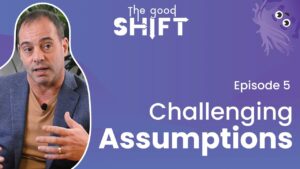
In this episode, Dr Stephen Wolfson explores family narratives and how they affect self-image, relationships, and emotional responses. Some stories feel supportive. Others carry tension, silence, or loss. Therefore, the same themes can show up later as people-pleasing, defensiveness, shutdown, or over-responsibility.
Transgenerational stress patterns also come up in this conversation. However, the point is not blame. Instead, awareness gives you choices, and choices create movement.
What you will learn
- How family narratives form and why they persist
- How childhood roles repeat in adult relationships
- What transgenerational patterns can look like day to day
- How to separate learned beliefs from present reality
- Ways to reshape the story without rejecting your family
Try this after listening
Start by writing your family story in two or three sentences. Then ask three direct questions.
- What did this story teach me about safety?
- What did it teach me about approval?
- What did it teach me about trust?
Next, choose one belief you want to test. After that, practise one small behaviour that challenges it. For example, set a clear boundary once, or ask for support once. Finally, track what changes in your body and your relationships.
Keep going
Continue the series here: The Good Shift series.
Track triggers and patterns with Neury®: Explore Neury®.
If you want guided support through Psychotherapy, supported by our Psychology Clinic, book here: Book an appointment.
Family and intergenerational trauma resources