What Is Trauma? A Scientific Overview of Stress Responses and Adaptation
Trauma is a complex set of psychological and physiological responses to distressing experiences. Learn what science says about trauma, adaptation, and evidence-based recovery tools.
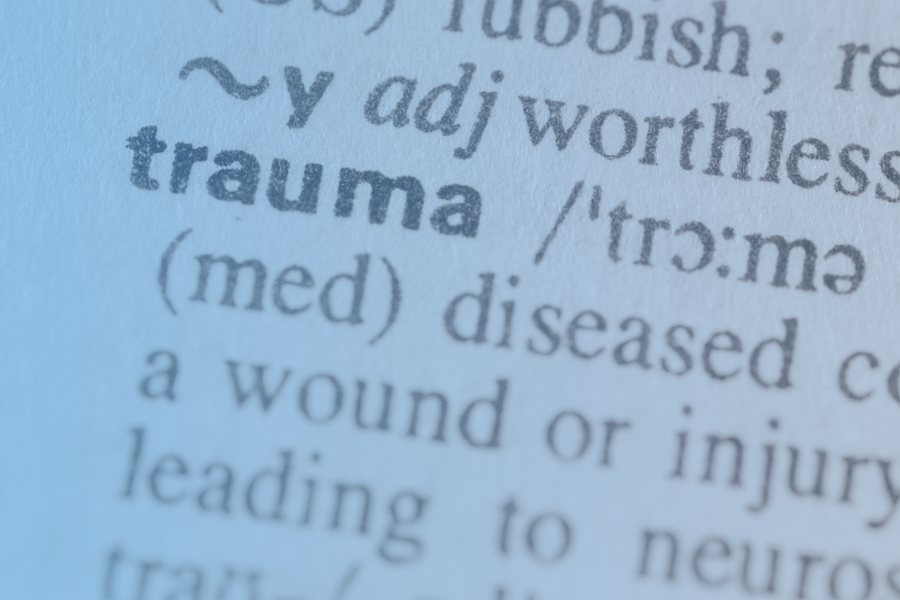
The term “trauma” has become increasingly popular in both clinical and non-clinical contexts. While this increased awareness has opened dialogue around mental health, it has also led to oversimplification and inconsistent definitions. From a scientific standpoint, trauma refers not to the event itself, but to the lasting impact a distressing event has on an individual’s functioning across emotional, cognitive, behavioural, and physiological domains.
Defining Trauma: A Clinical Perspective
Clinically, trauma is understood as the response to an event or series of events that overwhelms an individual’s capacity to cope, often disrupting their sense of safety or predictability. This definition aligns with frameworks provided by the American Psychiatric Association (APA) and Substance Abuse and Mental Health Services Administration (SAMHSA).
“Trauma results from an event, series of events, or set of circumstances that is experienced as physically or emotionally harmful or life-threatening and that has lasting adverse effects.” — SAMHSA, 2014
Importantly, trauma is not uniformly defined across disciplines, and the term can encompass a wide spectrum of experiences, from life-threatening events to chronic relational stressors. The key factor is not the nature of the event but the person’s subjective response to it.
Individual Variability in Trauma Responses
Trauma is not defined by symptoms alone. Scientific literature shows that responses vary widely, influenced by a host of factors including genetics, developmental stage, prior experiences, and available support systems (Yehuda et al., 2015). Not all stress leads to trauma, and not all trauma leads to post-traumatic stress disorder (PTSD).
Common responses to traumatic stress can include:
- Emotional: heightened fear, irritability, or emotional numbness
- Cognitive: intrusive thoughts, memory disturbances, or difficulty concentrating
- Physiological: sleep disruption, muscle tension, or autonomic arousal
- Behavioural: avoidance, hypervigilance, or compulsive behaviours
These are not pathological in themselves but are considered adaptive responses to perceived threat.
Rethinking “Big T” and “Small t” Trauma
Although popular psychology often distinguishes between “big T” (e.g., assault, disaster) and “small t” (e.g., criticism, exclusion) trauma, scientific research does not rely on such dichotomies. Instead, it evaluates trauma in terms of impact and dysregulation of stress response systems, such as the hypothalamic-pituitary-adrenal (HPA) axis and limbic system.
Time and Recovery: Is Time Alone Enough?
The notion that “time heals all wounds” is not supported by evidence. Longitudinal studies show that some individuals recover without intervention, but many require structured support to resolve persistent dysregulation (Bonanno et al., 2012).
Neurobiological models suggest that traumatic memories are often stored in implicit memory systems, which are not accessed by conscious reflection alone (van der Kolk, 2014). This is why trauma-informed therapies are increasingly incorporating bottom-up (body-based) interventions alongside cognitive work.
Trauma is Not a Sign of Weakness
Contrary to persistent myths, trauma responses are not an indicator of psychological fragility. Rather, they reflect the brain’s attempt to adapt to extraordinary stress. Studies in neurobiology confirm changes in brain regions such as the amygdala (threat detection), hippocampus (memory integration), and prefrontal cortex (executive regulation) following traumatic stress (McEwen & Morrison, 2013).

Evidence-Based Approaches to Support Recovery
Several therapeutic modalities have demonstrated efficacy in addressing trauma-related symptoms:
- Cognitive Behavioural Therapy (CBT): targets maladaptive thought patterns
- EMDR (Eye Movement Desensitization and Reprocessing): processes traumatic memories using dual-attention stimuli
- Somatic Experiencing: emphasises interoceptive awareness and body-based regulation
- Mindfulness-Based Interventions: support present-moment awareness and autonomic regulation
Meta-analyses consistently show that a combination of cognitive and somatic methods yields stronger outcomes than talk therapy alone (Cusack et al., 2016).
Trauma as a Psychophysiological Condition
Trauma is both psychological and physiological. Stress-related dysregulation impacts not only emotion and behaviour but also immune function, pain sensitivity, and gastrointestinal health (Porges, 2011; Yehuda & LeDoux, 2007).
NeuroCog® and Self-Regulation Tools
At NeuroCog®, we recognise the need for scientifically grounded, accessible tools to support recovery and growth. The Neury® mobile app offers structured neurocognitive training to improve emotional awareness, cognitive flexibility, and psychophysiological regulation. These tools are informed by over two decades of neuroscience research and clinical application, including material from The NeuroCog System Manual (Wolfson, 2020).
Neury® also supports clinicians by enabling shared insight and progress tracking, reducing administrative burden through AI-assisted documentation and structured tools.
Explore tools for healing and self-regulation today at NeuroCog®.
References:
Yehuda, R., et al. (2015). “Understanding resilience: The role of social resources and psychological characteristics.” Biological Psychiatry.
McEwen, B. S., & Morrison, J. H. (2013). “The brain on stress: vulnerability and plasticity of the prefrontal cortex over the life course.” Neuron.
Bonanno, G. A., et al. (2012). “Resilience to loss and trauma.” Annual Review of Clinical Psychology.
Van der Kolk, B. (2014). The Body Keeps the Score. Penguin Books.
Cusack, K., et al. (2016). “Psychotherapy for posttraumatic stress disorder in adults: A review of the evidence.” Agency for Healthcare Research and Quality.
Porges, S. W. (2011). The Polyvagal Theory. Norton.
SAMHSA. (2014). Trauma-Informed Care in Behavioral Health Services. Treatment Improvement Protocol (TIP) Series 57.
American Psychiatric Association (APA). (2022). Diagnostic and Statistical Manual of Mental Disorders (DSM-5-TR).