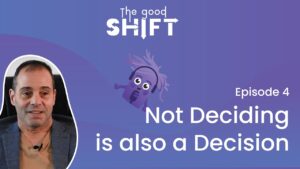
Heartbreak is not only romantic loss. It can be grief, a friendship ending, a life change, or a dream that no longer fits. Because loss disrupts safety and predictability, your whole system can feel it.
In this episode, Dr Stephen Wolfson explains the neuroscience of heartbreak and grief. Sleep, appetite, focus, and motivation can shift. However, those changes do not mean you are broken. Instead, they reflect biology meeting meaning. Therefore, healing becomes more possible when you understand what is happening.
You will also hear practical mindset shifts that support recovery. Rather than suppressing pain, you learn how to process it while building steadiness.
What you will learn
- Why grief can feel physical and consuming
- How heartbreak differs from everyday sadness
- What the nervous system may do during loss
- How to create steadier days when you feel overwhelmed
- How to keep moving without rushing the process
Try this after listening
Start with one daily anchor you can keep for seven days. For example, a short walk, a simple meal, or a consistent bedtime. Next, add one support action, such as a check-in message or a therapy appointment.
After that, write two short lines each day:
- Today the hardest part is
- Today I will support myself by
Finally, review what helped, because small wins rebuild predictability over time.
Keep going
Continue the series here: The Good Shift series.
Use Neury® to track emotional patterns and build habits: Explore Neury®.
If you want guided support through Psychotherapy, supported by our Psychology Clinic, book here: Book an appointment.
Grief and support resources