The Power of the Mind – The Placebo Effect
Can your thoughts really effect your body? Can the mere belief in healing lead to profound changes to health?
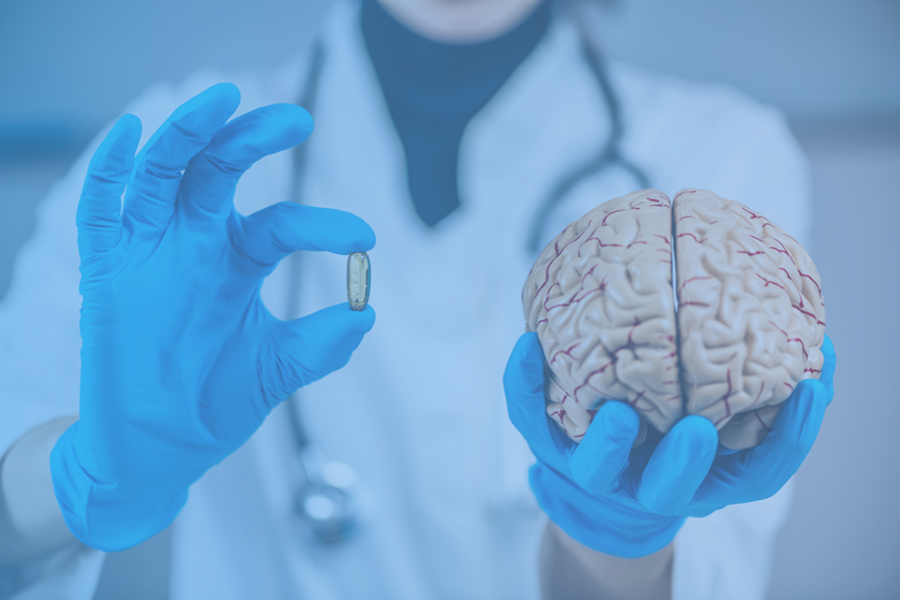
Picture this: someone swallows a sugar pill, confident it’s a remedy. Miraculously, they report feeling less pain and or a brighter mood. This phenomenon is often called the placebo effect — a captivating tale of the mind’s control over the body.
Once viewed as a mere quirk of medicine, the placebo effect now stands as a testament to the interplay between the mind and body. For ailments linked to perception, like pain and anxiety, it challenges the notion that healing relies solely on bodily changes. In fact, research suggests the effects of many drugs are unknown and may work as a placebo.
Our thoughts, beliefs, and expectations significantly shape our well-being. This understanding not only challenges conventional views on healing but also leads to emphasizing the psychological and emotional elements of wellbeing.
What Is the Placebo Effect and How Does it Work?
The placebo effect refers to real shifts in symptoms after receiving an inactive treatment, such as a sham drug. This demonstrates how our minds can influence the body based on a powerful but mysterious mind-body interaction.
Placebo effects can be observed in pain management, emotional states, and sleep, Ming many others. Research indicates that placebos engage a psychological/biological pathway, matching or surpassing effects from medications and other treatments. Advanced imaging techniques reveal that placebo treatments activate the same brain areas as psychiatric drugs — areas linked to decision-making and emotional responses. (Vanda, 2008) This connection highlights how vital mindset, trust, and the emotional landscape are in the healing journey.
These outcomes aren’t just figments of imagination. It suggests that the anticipation of a benefit may spur the release of chemicals, like endorphins and dopamine. Unlike pharmaceuticals, placebos don’t carry the risk of side effects or long-term repercussions. However, it’s important to be aware that negative expectations can sometimes lead to nocebo effects.
The magic of the placebo effect lies in the dance between mind and body. At its core, expectation is critical. When individuals anticipate relief, the brain sets the stage for healing, triggering chemical changes that elevate mood and soothe discomfort.
It suggests our perceptions, beliefs, and anticipations can dramatically shape our physical health. This understanding compels us to explore how our emotional lives can positively influence our healing journey.
What Are Some Examples of the Placebo Effect?
Real-life examples of the placebo effect vividly illustrate this profound connection. Take a study by (Moseley et al.(2002) where patients with knee osteoarthritis underwent a simulated surgery. They reported substantial relief and improved mobility, simply because they believed they’d undergone a real procedure. This showcases the potent influence of belief and expectation on health.
In another case, athletes who took placebo supplements matched or even performed those who relied on conventional performance enhancers. It reveals how mindset can amplify physical capabilities, even devoid of active ingredients. (Beedie (2006, 2009)
Moreover, individuals aware that they are consuming sugar pills for conditions like irritable bowel syndrome often experience symptom reduction (Kaptchuk et al., 2010). This finding shows that the act of taking a pill or receiving treatment — combined with a hopeful mindset — can yield tangible health benefits.
These compelling cases reinforce the idea that belief can trigger genuine shifts in physical and emotional states, an idea that is gaining traction in the realm of neuroscience. They challenge us to rethink healing and explore how psychological and emotional elements can be powerful allies in enhancing well-being.
The Placebo Ingredients
The interplay of psychology and biology underpins the placebo effect, shedding light on how healing unfolds. While research is ongoing, several key factors emerge:
Expectation: When you hold belief in a treatment’s efficacy, your brain prepares for positive outcomes, triggering natural mood-boosting chemicals.
Attention: A heightened awareness of your feelings can tune in to subtle shifts, amplifying perceived benefits.
Hope and Trust: Engaging in comforting rituals fosters emotional safety, amplifying the treatment’s effects.
Over time, this blend of expectation, focus, hope, and faith alleviates symptoms like discomfort and anxiety. Interestingly, the placebo effect remains potent even when individuals are aware they’re taking a placebo. These open-label placebos reinforce that healing is not solely about deception; it’s about involving the mind fully in the journey of wellness.
Do Psychiatric Drugs Outperform Placebos?
This brings us to a crucial debate. Many studies suggest that the impact of psychiatric medications — particularly antidepressants — often mirrors that of placebos. Research by Irving Kirsch (2008) sheds light on this, indicating that the perceived benefits may stem largely from the placebo effect.
Psychiatrist Dr. Joanna Moncrieff (2018) proposes that psychiatric drugs do not solve identifiable biological issues. Instead, they often create altered mental states. In this perspective, perceived relief may arise from expectation and the natural healing mechanisms of the mind rather than from rectifying a chemical imbalance.
Such insights challenge conventional narratives about psychiatric care and invite significant reflection on the actual efficacy of these drugs.
Harnessing the Power of Belief
The placebo effect extends beyond mere scientific curiosity, highlighting the significant interplay between the mind and body. It reveals how emotional patterns, learned associations, and belief systems can nurture physical health in measurable ways.
In contrast to the unpredictable effects of psychiatric medications, placebos demonstrate the inherent potential for healing that originates within an individual. This aligns beautifully with Neurocog’s ethos of self-awareness and emotional understanding. By recognizing and addressing your emotional triggers, you can influence your brain’s chemistry through conscious thought and behaviour.
The Neury® app resonates with this philosophy, guiding you to track emotional patterns and foster cognitive habits that nurture emotional resilience. By cultivating belief, expectation, and emotional insight, you can spark genuine change. For a deeper exploration of this mind-body synergy, try Neury® app for free and transform awareness into impactful action.
References:
Beedie, et al. (2006) Placebo effects of caffeine on cycling performance. Med. Sci. Sports Exerc. 38:2159-2164, 2006.
Beedie, et al. (2009). The Placebo Effect in Sports Performance. Sports Med 39, 313–329 (2009). https://doi.org/10.2165/00007256-200939040-00004
Kaptchuk et al. (2010), Placebos without Deception: A Randomized Controlled Trial in Irritable Bowel Syndrome. PLoS ONE 5(12): e15591. https://doi.org/10.1371/journal.pone.0015591
Kirsch, Irving (2008), Initial Severity and Antidepressant Benefits: A Meta-Analysis of Data Submitted to the Food and Drug Administration, PLoS Med 5(2): e45. https://doi.org/10.1371/journal.pmed.0050045
Kirch, Irving (2019) Placebo Effect in the Treatment of Depression and Anxiety, Frontiers in Psychiatry, Sec. Psychological Therapy and Psychosomatics, Vo.10, https://doi.org/10.3389/fpsyt.2019.00407
Moncrieff, Joanna (2018) Research on a ‘drug-centred’ approach to psychiatric drug treatment: assessing the impact of mental and behavioural alterations produced by psychiatric drugs, https://discovery.ucl.ac.uk/id/eprint/10047105/1/Moncrieff_Research_drug-centred_approach.pdf
Moseley et al., (2002), A Controlled Trial of Arthroscopic Surgery for Osteoarthritis of the Knee, New England Journal of Medicine, 2002; 347:p81-88, DOI: 10.1056/NEJMoa013259
Vanda Faria, et al. (2008) Imaging the placebo response: A neurofunctional review, European Neuropsychopharmacology, 2008, Vol. 18, Issue 7, p473-485, ISSN 0924-977X, https://doi.org/10.1016/j.euroneuro.2008.03.002.